How much hair fall is normal?
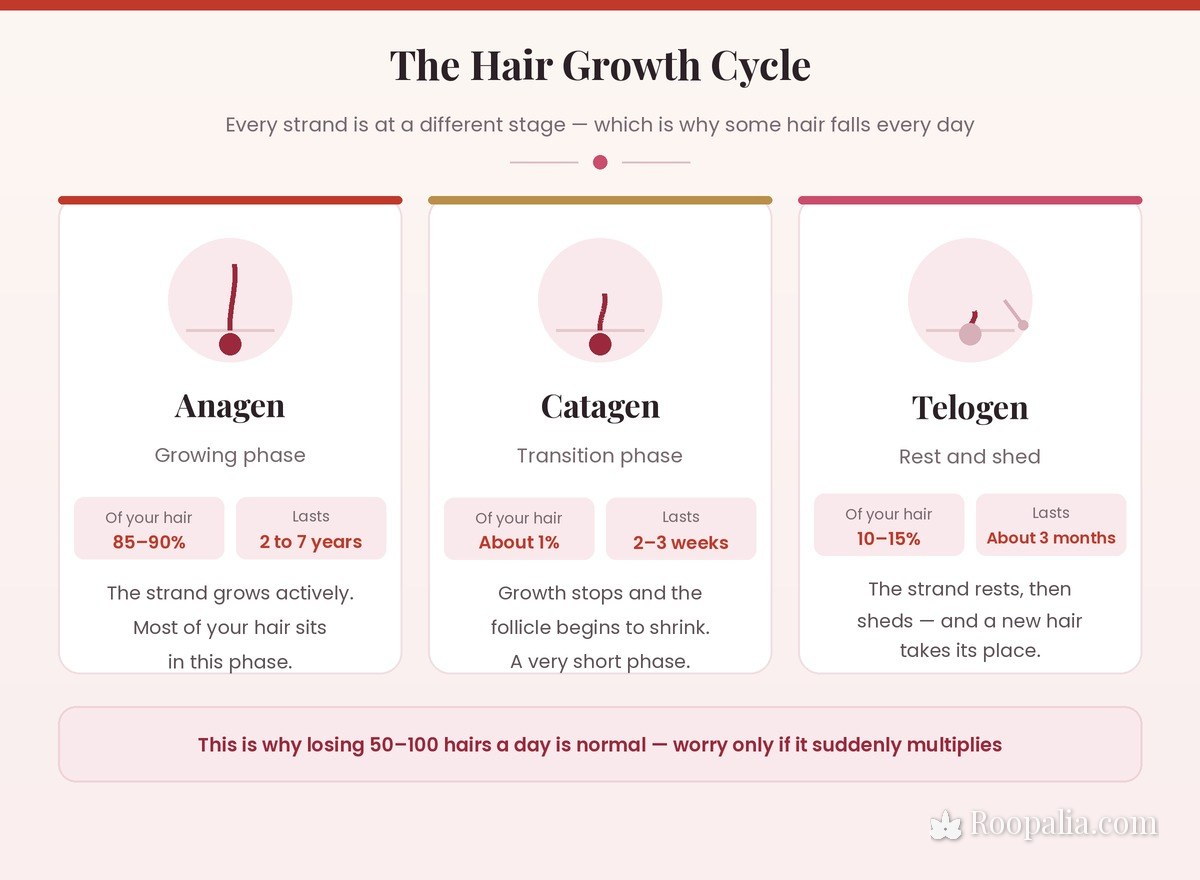
Not all your hair grows at once. At any moment some strands are actively growing, some are resting, and some are ready to let go. That is why finding hair in the shower or on the comb is not, by itself, a sign of illness.
Dermatologists generally consider 50 to 100 hairs a day normal. But counting is less useful than comparing: what matters is how much things have changed for you. A woman with very thick hair may lose 100 strands and never notice; someone with fine hair may find 60 alarming.
The signals worth paying attention to are the ones that persist:
- Noticeably more hair on the brush than a few months ago
- Handfuls coming out while washing
- A thinner ponytail — the hair tie needing an extra loop
- A widening parting, or scalp showing through more than before
- Overall density dropping month after month
If any of that sounds familiar, the next step is not buying something. It is finding the cause.
What causes hair fall in women?
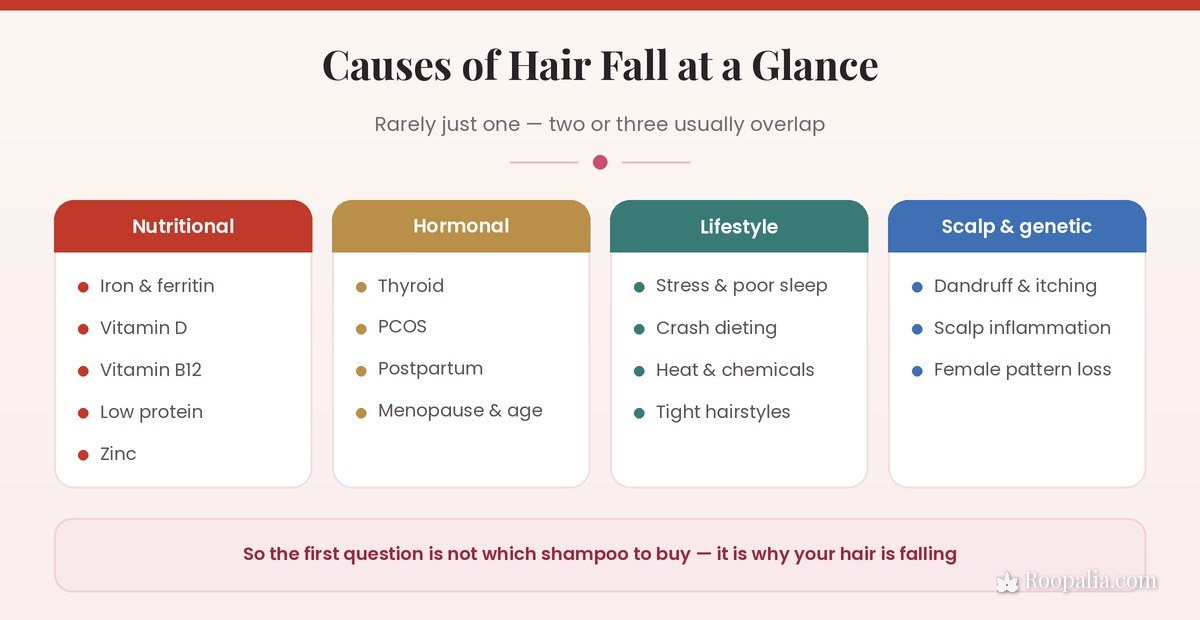
Looking for one single cause is usually a mistake. In most women two or three things overlap — a low-protein diet plus low iron plus months of poor sleep. Here are the causes that show up most often in Indian women, and how to tell them apart.
1. Iron and ferritin deficiency
This is the most common and the most overlooked cause in Indian women. Heavy periods, closely spaced pregnancies, and a diet built around grains but light on iron slowly drain the body’s reserves.
Ferritin is the test that shows how much iron is actually stored in your body. Haemoglobin can look perfectly normal while ferritin sits low — and hair is often the first thing to complain. So don’t stop at “your Hb is fine.” Ask specifically about ferritin.
⚠️ Important: don’t start iron tablets on your own. Excess iron accumulates and causes its own problems, and many people get constipation and stomach upset. Test first, then take the dose your doctor prescribes.
2. Vitamin D deficiency
It sounds absurd in a sunny country, yet deficiency is remarkably common — indoor work, full-coverage clothing, sunscreen and city life all contribute. Research has linked low vitamin D with certain types of hair loss, though it would be wrong to blame every case of shedding on it.
If hair fall comes with bone or muscle aches, deep fatigue or frequent illness, your doctor may suggest testing. Don’t self-prescribe high-dose supplements — vitamin D is stored in the body and too much is harmful.
3. Vitamin B12 deficiency
Women on strictly vegetarian or vegan diets carry a different risk here, because B12 comes mainly from dairy, eggs and meat. A deficiency rarely shows up as hair alone — fatigue, weakness, tingling in the hands and feet, and difficulty concentrating usually come along with it.
4. Low protein and crash dieting
Hair is made of a protein called keratin. When the body is short on protein and calories, it feeds essential organs first — and hair sits at the bottom of that priority list. This is why shedding often begins two or three months after a period of rapid weight loss, not during it.
Indian plates tend to be carbohydrate-heavy and protein-light. Add a crash diet before a wedding or a big event, and the problem compounds. Losing weight isn’t the issue — eating less and eating right are simply not the same thing.
5. Zinc deficiency
Zinc is involved in many processes in the body, and low levels have been linked to hair loss in some people. The American Academy of Dermatology lists deficiencies of nutrients such as iron, protein and zinc among the possible causes of noticeable hair loss. The same rule applies though — test before you supplement.
6. Thyroid problems
Thyroid hormone directly influences the hair growth cycle. Hypothyroidism is common among Indian women and can show up as thinning, dry brittle hair, and sometimes loss at the outer edge of the eyebrows.
If shedding comes with unexplained weight change, feeling unusually cold or hot, constipation, irregular periods or persistent fatigue, ask your doctor about a thyroid check. The encouraging part: when thyroid disease is properly treated, the related hair loss usually improves.
7. PCOS and hormonal imbalance
PCOS is not only a periods problem. Raised androgen levels produce an odd reversal — unwanted hair grows on the face and body while scalp hair thins, usually around the parting.
This is where the limits of shampoo become obvious. PCOS-related thinning needs a gynaecologist and a dermatologist working together, and managing weight, insulin resistance and cycles tends to show up in the hair too.
8. Postpartum hair loss
Almost every new mother goes through this, and almost nobody warns her. During pregnancy, hormones keep hair from shedding — hair looks thicker and glossier than ever. After delivery, hormones normalise and all those strands that were “held back” let go at once.
This is postpartum hair loss, or postpartum telogen effluvium. According to Cleveland Clinic it typically begins around three months after delivery and, in many women, continues to about six months before gradually settling.

The things that help most during this phase aren’t sold in bottles — enough protein, iron-rich food, water, and whatever sleep you can get. Keep hair loosely tied, don’t force a comb through wet hair, and check with your doctor before starting any supplement while breastfeeding. This phase does pass.
That said, if the shedding is just as heavy a year later, if scalp is clearly visible, or if you feel exhausted all the time — don’t write it off as “just postpartum.” Thyroid and iron tests are especially worth doing at this point.
9. Stress, illness and telogen effluvium
This cause confuses people most, because the trigger and the shedding are two to three months apart. A serious illness, surgery, high fever, a bereavement, or a long stretch of stress pushes a large number of hairs into the resting phase all together — and they fall together, months later.
So when shedding starts, look back three or four months. The answer is often sitting right there. The good news is that telogen effluvium is usually temporary; once the trigger resolves, the hair comes back.
10. Heat, chemicals and tight hairstyles
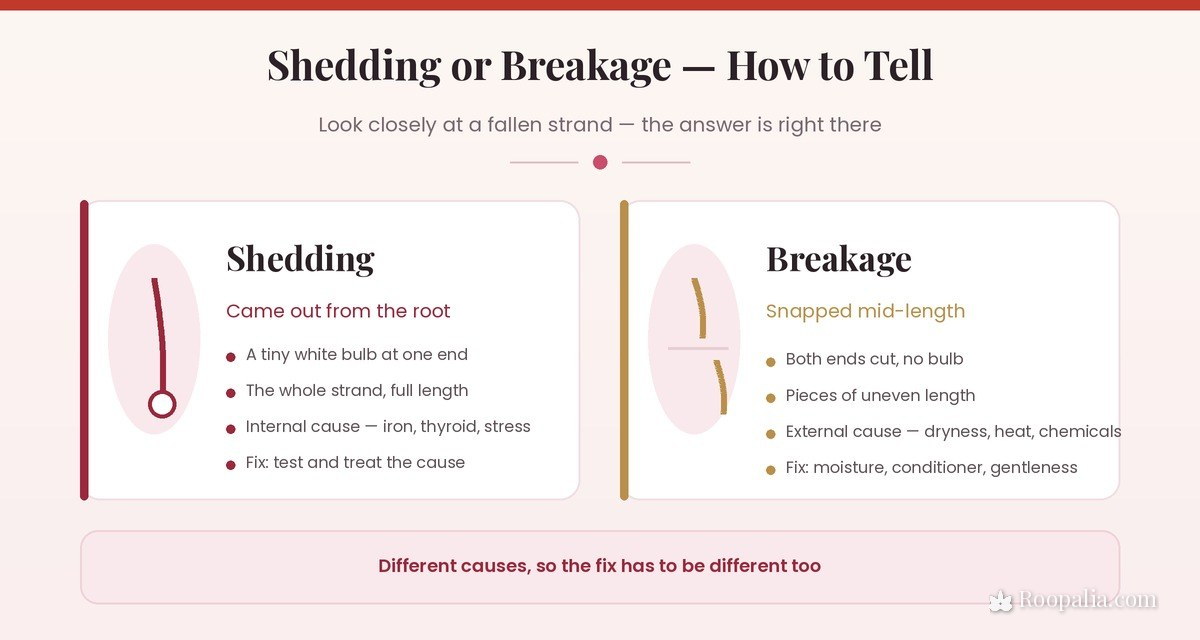
Straighteners, daily blow-drying, repeated smoothening and colouring damage the hair shaft, not the root. The result is breakage, not shedding — and the two need completely different fixes. Using a dryer sensibly and at the right heat setting matters more than most people think.
Tight braids, high tight buns and any style that pulls constantly put steady tension on the roots. The damage this causes is called traction alopecia and it usually begins along the hairline. Caught early it reverses; left for years, the follicles can be permanently weakened.
11. Dandruff and scalp conditions
If your scalp itches, flakes or feels inflamed, buying a bottle that says “anti hair fall” won’t help. Dandruff doesn’t kill follicles, but constant scratching breaks hair and inflammation doesn’t create a good environment for growth. Treat the scalp first; the hair fall usually eases on its own.
12. Female pattern hair loss
In some women thinning is genetic. It doesn’t look like male baldness — instead the parting slowly widens and density drops over the crown, while the front hairline is largely preserved. The American Academy of Dermatology recommends seeing a dermatologist for a proper diagnosis when this is suspected, because several causes of hair loss in women look alike from the outside.
Early diagnosis matters here more than anywhere else: the sooner treatment starts, the more hair there is to save.
13. Age and menopause
After forty, and especially around menopause, changing oestrogen levels leave many women with hair that feels finer, drier and less dense. This can’t be entirely prevented, but nutrition, scalp care and an accurate diagnosis genuinely affect the pace.
Which blood tests should you ask for?
Not everyone needs every test. Your doctor decides based on your symptoms, cycles, diet, pregnancy history and a look at your scalp. This table exists to make that conversation easier — not so you can walk into a lab and order all of them.
| Test | What it tells you | Most useful when |
|---|---|---|
| CBC | Whether you are anaemic | Fatigue, pallor, heavy periods |
| Serum ferritin | Your body’s iron stores | Hb is normal but hair is shedding |
| TSH | Thyroid function | Weight, energy or cycle changes |
| Vitamin D | Vitamin D level | Bone or muscle aches, deep fatigue |
| Vitamin B12 | B12 level | Vegetarian diet, tingling, weakness |
| Hormone panel | Androgens and related hormones | Irregular periods, acne, unwanted hair |
A word of caution: ordering ten tests after reading the internet is rarely useful. Four well-chosen tests interpreted by a doctor beat ten reports read alone.
What to eat for healthier hair
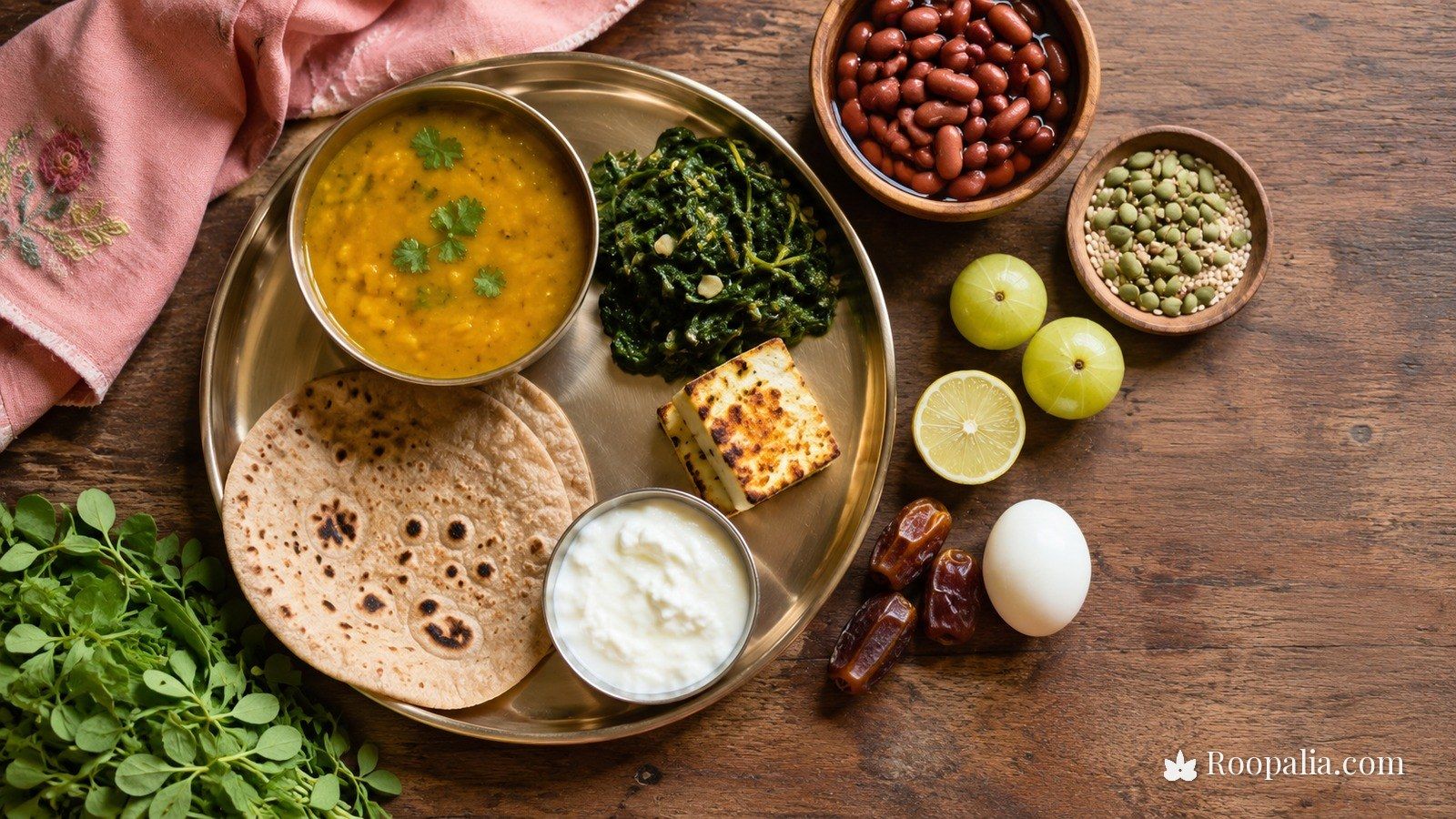
There is no magic food for hair. Not almonds, not eggs, not an expensive powder. What works is unglamorous — enough protein, enough iron and enough variety, every day. An Indian kitchen already has all of it; the job is getting it onto the plate.
Protein — the raw material
Aim for a protein source at each meal. Vegetarian: dal, chana, rajma, chhole, moong, soy, tofu, paneer, milk, curd, peanuts, sesame and pumpkin seeds. Non-vegetarian: eggs, fish, chicken. A simple rule — if a meal is only roti and sabzi, add a bowl of dal or curd.
Iron — and the trick to absorbing it
Spinach, methi, amaranth, lentils, rajma, jaggery, sesame, dates, eggs and meat are good sources. But plant iron is poorly absorbed, so two small habits make a real difference:
- Pair iron-rich meals with vitamin C — squeeze lemon, add amla, guava, orange or tomato.
- Avoid tea or coffee immediately after eating. The tannins interfere with iron absorption; leave an hour or so. In most Indian homes chai follows lunch by about four minutes, and over years that habit adds up.
- Don’t take calcium and iron supplements together.
The rest of it
Water, greens, seasonal fruit, and nuts or seeds a few times a week. If you are losing weight, cut calories — not nutrition. And if you have been skipping breakfast for months or living on one proper meal, no serum will make up the difference. It’s also worth knowing when a biotin supplement genuinely helps and when it is just an expense.
| Nutrient | Link to hair | Indian sources |
|---|---|---|
| Iron / ferritin | Low stores linked to shedding in many women | Dal, rajma, spinach, jaggery, sesame, eggs |
| Protein | Hair itself is protein (keratin) | Dal, paneer, curd, soy, eggs, chicken |
| Vitamin D | Deficiency linked with some hair loss | Sunlight, fortified milk, egg yolk |
| Vitamin B12 | Deficiency causes fatigue and hair complaints | Milk, curd, paneer, eggs, meat |
| Zinc | Low levels linked to hair loss in some people | Pumpkin seeds, sesame, chana, cashews, curd |
| Vitamin C | Helps iron absorption | Amla, lemon, guava, orange, tomato |
Champi and the wisdom of grandmothers — does it hold up?
In Indian homes hair care was never a “routine.” It was a ritual. A Saturday afternoon, a charpai in the courtyard, warmed coconut or mustard oil, and a mother’s or grandmother’s fingers working the scalp. An hour later, a wash with shikakai or reetha, hair dried in the sun, and a wooden comb. It was as much about conversation and touch as it was about hair.

🪔 What tradition got right — and where it stops
Champi (oil massage): Ayurveda treats head massage as part of daily life. Studies on coconut oil suggest it penetrates the hair shaft and helps reduce protein loss — meaning your grandmother’s champi really did protect hair from breaking.
Amla, shikakai, reetha, bhringraj, methi and hibiscus: the backbone of traditional Indian hair care. Ayurveda calls bhringraj keshraj, the king of hair, and amla is a genuinely excellent source of vitamin C.
The long oiled braid: there was practical sense in it too — hair stayed untangled, protected from sun and dust, and broke less. But it should be a loose braid, never a tight one.
And the honest caveat: all of this is care, not treatment. If hair is falling because of thyroid disease, PCOS, iron deficiency or genetics, champi will not change that. Tradition and medicine each have their place, and the wise thing is to keep both.
Flowers in the hair, the mehndi afternoon, hair carefully dressed before Teej or Karwa Chauth — hair has always been central to Indian ideas of beauty. The solah shringar tradition gives hairstyling and the gajra a place of their own, and the custom of applying mehndi before a wedding was never only about colour — it was about cooling and care too.
How to oil your hair properly
Oil does not “feed” the roots — that is a myth worth retiring. What oil actually does is lubricate the shaft, reduce dryness, and protect hair from the damage that happens during washing. The massage improves blood flow to the scalp and, not incidentally, calms the mind.
- Warm the oil slightly and apply with your fingertips, never your nails.
- Massage in slow circles for 5–10 minutes. Vigorous rubbing breaks hair.
- One to two hours is plenty. Overnight oiling isn’t necessary, and for an oily or flaky scalp it can backfire.
- Never tie oiled hair tightly, and use a wide-tooth comb on damp hair.
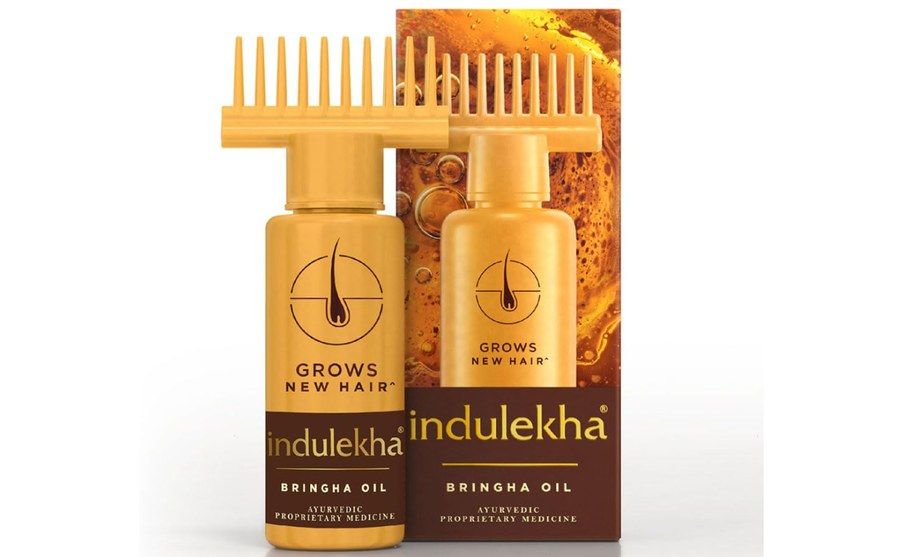
Indulekha Bringha Ayurvedic Hair Oil — 100ml
If you want to keep the oiling tradition in your routine, this is one of the few options registered as an Ayurvedic proprietary medicine rather than a plain cosmetic oil. Bhringraj is combined with herbs including amla and svetakutaja in a coconut oil base.
The “selfie comb” applicator is the genuinely practical bit — oil goes straight onto the scalp through the comb’s hollow needles, so your palms and lengths don’t end up greasy. For women who like oiling but hate soaking their whole head, it makes the habit far easier to keep. The brand suggests using it around three times a week over a few months.
⚠️ Keep in mind: the formulation contains coconut milk, so the colour can change over time. No oil reverses hormonal, thyroid-related or genetic hair loss — treat this as care, not cure. If you have dandruff, a very oily scalp or any itching and redness, address that first. Do a patch test behind the ear before the first full application.
🌏 If you live abroad — a note for Indian families overseas
Everything that happened automatically back home has to be done deliberately abroad. If you are an NRI mother, this is the section worth forwarding to your daughter.
Less sunlight: in the UK, Canada, northern Europe and the northern US there are months with almost no usable sun, and darker Indian skin produces even less vitamin D. Deficiency is very common in the diaspora — an annual test is sensible.
Hard water: many cities have high calcium and magnesium in the supply, which leaves hair rough, tangled and prone to breaking. A shower filter, or a final rinse with filtered water, helps.
Central heating: dry indoor air in winter strips moisture from hair. Conditioner and a hydrating shampoo matter far more there than they do in India.
The vegetarian plate: staying strictly vegetarian abroad is harder, and diets often end up short on B12, iron and protein. Dal, rajma, curd, paneer, eggs — whatever suits you — need a daily place.
And the part only a mother can say: “In our time your dadi and nani oiled our hair every Saturday, dried it in the sun and combed it with a wooden comb.” Do tell them that story. But teach the other half too — that in today’s world getting a blood test is just as much practical wisdom as champi. Tradition teaches care; testing tells you the cause. Our daughters need both.
Home remedies — what helps and what doesn’t
The internet is full of onion juice, garlic, lemon and essential oils. Treating every viral remedy as a cure is a mistake. Some habits genuinely help; others mostly cause irritation.
These actually make a difference
- A protein source at every meal
- A gentle oil massage once or twice a week
- Loose braids, a wide-tooth comb, gentleness with wet hair
- Keeping the scalp clean — wash as often as your scalp needs
- Seven to eight hours of sleep and one reliable stress outlet
- Less heat styling and fewer chemical treatments
Don’t expect much from these
- Onion juice promising “new hair in a month” — big claims, thin evidence, very real smell
- Lemon or undiluted essential oils straight on the scalp — irritation and allergy risk
- Starting biotin or multivitamins without testing
- Switching shampoo every few weeks — it changes nothing about the cause
- Anything promising “100% regrowth” or “permanently stops hair fall”
What can a shampoo, serum or oil realistically do?
This is the most important question in the article, and the honest answer is this: all three support a routine; none of them treat a medical cause.
A shampoo removes oil, dust and product build-up from the scalp. Hair does grow better on a clean scalp — that much is true. But if your ferritin is 8 or your thyroid is out of range, no shampoo on earth will fix it.
Serums are a little different. They stay on the scalp and usually contain actives intended to support the hair cycle. Some women see a difference, others don’t, and it takes three to four months either way. Abandoning a bottle after two weeks is the single most common mistake.
💡 A practical rule: introduce one new thing at a time and give it at least 12 weeks. Change three products at once and you’ll never know which one helped and which one caused the itching.
If you want to add a scalp serum
A serum suits women who want something working directly on the scalp and can spare two minutes at night. Unlike oil it doesn’t need washing off, which is why it fits a working woman’s routine far more easily.
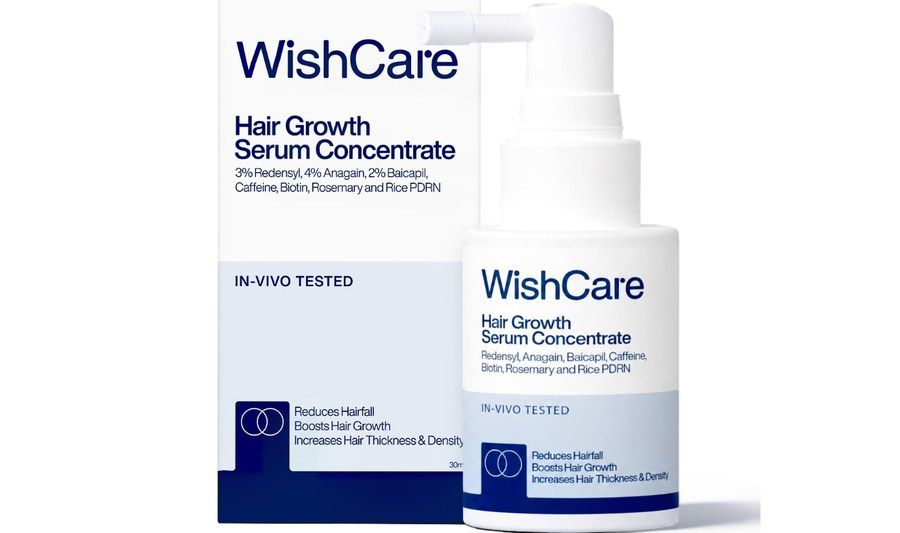
WishCare Hair Growth Serum Concentrate — 30ml
A leave-on scalp serum which, according to the brand, contains 3% Redensyl, 4% Anagain and 2% Baicapil along with caffeine, biotin, rosemary and fermented rice water. The micro-spray nozzle is designed to deliver it directly onto the scalp, so the lengths of your hair don’t turn greasy.
Women who feel their hair thinning and want something scalp-focused without the mess of oiling. It goes on at night and stays on. The brand recommends consistent use over about three months — which is also the right expectation to hold, because that is simply how fast the hair cycle moves.
⚠️ Keep in mind: read the brand’s claims as marketing language, not a medical guarantee. If the thinning is driven by PCOS, thyroid disease, iron deficiency or female pattern hair loss, a serum alone will not be enough. Stop immediately if you get burning, itching or bumps. Anyone pregnant or breastfeeding should check with a doctor before starting a new scalp product.
If you want a gentler anti-hairfall shampoo
“Anti hair fall” on a label does not mean the shedding will stop. What these shampoos actually do is reduce breakage a little and keep the scalp hydrated. If most of your loss is breakage, you may well notice a difference. Our detailed review of an onion hair fall shampoo unpacks the same point in more depth.
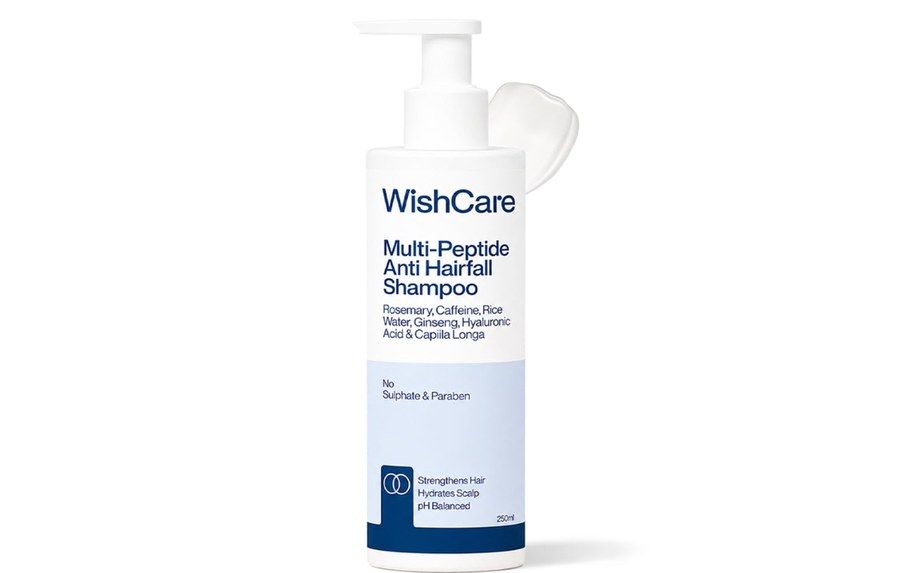
WishCare Multi-Peptide Anti Hairfall Shampoo — 250ml
According to the brand this combines multi-peptides (oligopeptide-2 and biotinoyl tripeptide-1) with rice water, rosemary, caffeine, ginseng, hyaluronic acid and Capilia Longa. It is sulphate and paraben free, which means it lathers less — that’s the nature of the formula, not a fault.
Women looking to swap a harsh daily shampoo for something gentler — particularly if your hair is coloured, keratin-treated or smoothened, or if your scalp feels stripped after washing. The hydrolysed keratin and collagen add a little strength to the shaft, which can reduce breakage while combing.
⚠️ Keep in mind: the words “anti hairfall” in the name don’t mean it addresses every cause of shedding. Sulphate-free shampoos can feel under-powered on a very oily scalp or after heavy oiling, so you may need two washes. If you have dandruff, treating that comes first.
If you also have dandruff and itching
This is where most women buy the wrong product. Flaking, itching and constant scratching mean the scalp needs treating — not a growth serum. Once the dandruff settles, the breakage usually drops on its own.
Medicated dandruff shampoos also need to be used differently from ordinary ones: they have to sit on the scalp for three to five minutes for the active ingredient to work. Lathering and rinsing straight off achieves very little.
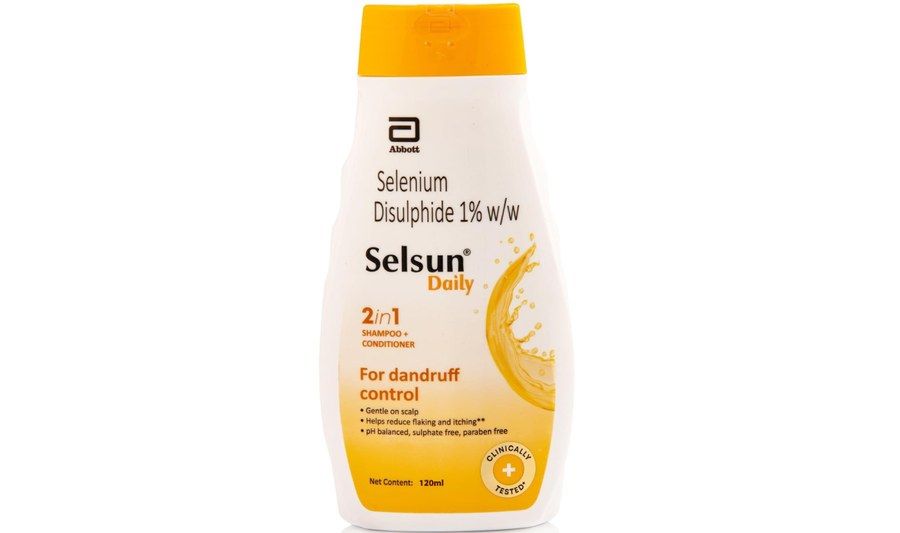
Selsun Daily 2in1 Shampoo + Conditioner — 120ml
Not a cosmetic shampoo but a medicated one, with selenium disulphide 1% w/w. Selenium disulphide works on the fungus behind dandruff, reduces oiliness and helps clear flakes. Because a conditioner is built in, hair doesn’t feel as stripped as it usually does after an anti-dandruff wash. The bottle notes it is pH balanced, sulphate free and paraben free.
Women dealing with flaking, itching or a persistently irritated scalp, where the breakage seems tied to all that scratching. How to use it: lather on a wet scalp, leave for three to four minutes, then rinse thoroughly. Once the dandruff is under control, once or twice a week is usually enough.
⚠️ Keep in mind: this is a medicated product, so follow the label. Selenium can slightly fade colour-treated or chemically treated hair. If there is persistent redness, pain, heavy scaling or open sores, stop self-treating and see a dermatologist — several scalp conditions look like dandruff but aren’t.
If your hair isn’t shedding — it’s breaking
This distinction is worth repeating. Dry, frizzy, brittle hair snaps mid-length, and a pile of broken pieces looks exactly like hair fall. Hard water, sun, over-washing, blow-drying and dry winter air all strip moisture. What that hair needs is hydration, not a growth product. Our review of shampoos for dry hair goes deeper into this.
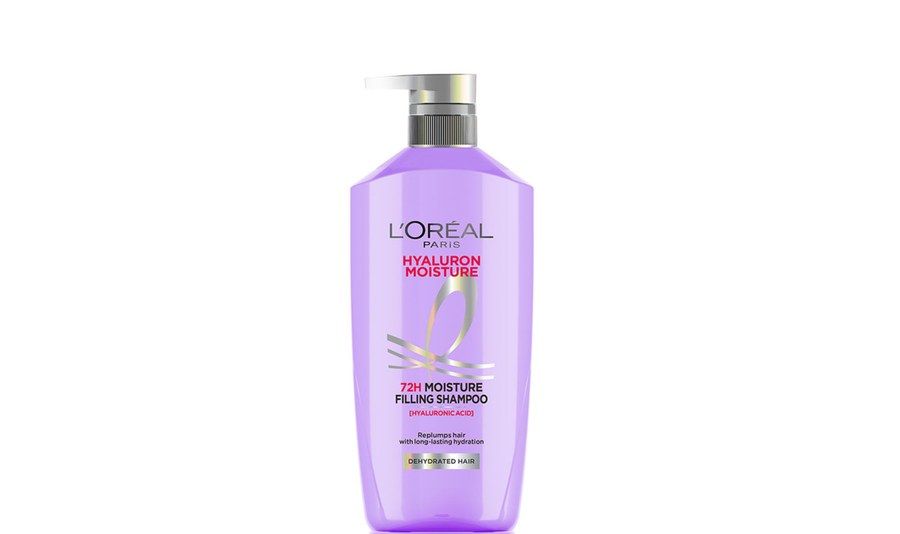
L’Oréal Paris Hyaluron Moisture 72H Moisture Filling Shampoo
A hydrating shampoo built around hyaluronic acid — the same moisture-binding ingredient skincare made famous. The brand claims up to 72 hours of hydration, leaving dry, limp hair looking plumper and shinier. Note clearly: this is not an anti-hairfall shampoo. It is made for dryness.
Women whose hair feels rough to the touch, snaps while combing, or is taking a beating from hard water, air conditioning and heat styling. It is especially relevant for Indian women living abroad, where winter heating and hard water strip moisture from both ends. It works best paired with the matching conditioner.
⚠️ Keep in mind: very oily or fine hair may find it heavy and go greasy sooner. It solves dryness, not shedding — if hair is coming out from the root, this won’t stop it. The same shampoo is sold in 180ml, 200ml, 340ml and 1L packs, so check the size before ordering.
Which of the five is right for you?
It depends entirely on what your actual complaint is. There is no reason to buy all five — in fact, starting five new things at once is the worst possible approach.
| Your situation | Category to look at | In this list |
|---|---|---|
| You like oiling and want a traditional routine | Hair oil | Indulekha Bringha Oil |
| Hair feels thinner; you want something on the scalp | Leave-on scalp serum | WishCare Growth Serum |
| You want a gentle, sulphate-free daily shampoo | Anti-hairfall shampoo | WishCare Multi-Peptide |
| Dandruff, flaking and itching | Medicated anti-dandruff shampoo | Selsun Daily 2in1 |
| Hair is dry, frizzy and snaps while combing | Hydrating shampoo | L’Oréal Hyaluron Moisture |
| Sudden heavy shedding, bald patches, widening parting | No product — investigation | See a dermatologist |
When should you see a doctor?
Home care has limits. Don’t delay on these signs, because with some types of hair loss early treatment is the only thing that saves the follicles:
- Smooth round bald patches (this can be alopecia areata)
- A parting that keeps widening, or scalp clearly showing through
- Pain, burning, sores, pus, or patches where the skin looks smooth and shiny
- Eyebrows or eyelashes thinning too
- Shedding continuing beyond six months with no improvement
- Scalp thinning alongside irregular periods, acne and unwanted facial hair
- Shedding as heavy a year after delivery as it was at three months
- Hair fall with severe fatigue, weight change or any other unexplained symptom
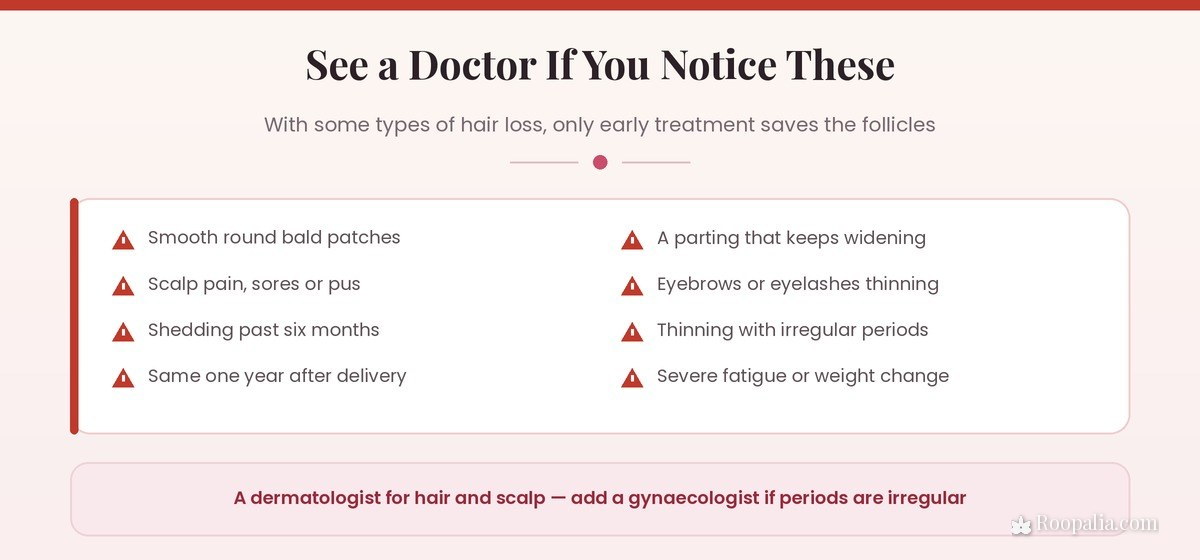
Who to see? A dermatologist is the right specialist for hair and scalp. If irregular periods or PCOS symptoms are part of the picture, a gynaecologist should be involved as well — often both work together.
A simple routine you can actually keep
Elaborate routines last a fortnight. This one is small, which is exactly why it survives.
| When | What to do |
|---|---|
| Morning | A breakfast with protein — eggs, curd, paneer, moong chilla or dal. Don’t skip it. |
| Through the day | Plenty of water. Lemon or salad with meals. Push chai to an hour after eating. |
| When tying hair | Loose braid or loose bun. Cloth scrunchie over rubber bands. Don’t part in the same place every day. |
| Once or twice a week | Ten minutes of gentle oil massage, washed out after an hour or two. |
| While washing | Lukewarm water, shampoo at the roots, conditioner on the lengths. Squeeze dry — don’t rub with a towel. |
| At night | Seven to eight hours of sleep. Tie hair loosely. A satin or silk pillowcase reduces breakage. |
| Once a month | Photograph your parting in the same light. That is where real progress shows — not in mirror guesswork. |
Our verdict
Find the cause before you change the shampoo
Panic is a natural response to hair on the pillow — and an entire market runs on that panic. But for most women, hair fall traces back to their plate, their sleep, their blood report or their hormones, not to the bottle in the shower. Once you know the cause, half the battle is done. Oils, shampoos and serums are allies in that fight, not generals. And remember that hair works in months, not weeks — give yourself the same patience you are demanding of your hair. 🌺
Frequently asked questions
What is the most common cause of hair fall in women?
How much hair fall per day is normal?
Can iron deficiency cause hair loss, and which test should I ask for?
Why does hair fall after pregnancy, and how long does it last?
Does PCOS cause hair loss?
Will hair grow back once my thyroid is treated?
Does oiling stop hair fall?
Which is the best shampoo for hair fall?
Do biotin supplements make hair grow faster?
How do I tell shedding apart from breakage?
Does washing hair often cause hair fall?
How long before I see improvement?
🛒 Products mentioned in this article
Pick by what you actually need — not all five at once
🩺 Medical disclaimer: this article is for general information and education. It is not a substitute for examination, diagnosis or treatment by a doctor, and none of the products mentioned should be treated as a cure for any condition. If you have sudden or persistent hair loss, a scalp problem, or any other health symptom, seek personalised advice from a qualified doctor or dermatologist. Anyone pregnant or breastfeeding should consult a doctor before starting any supplement or new product.