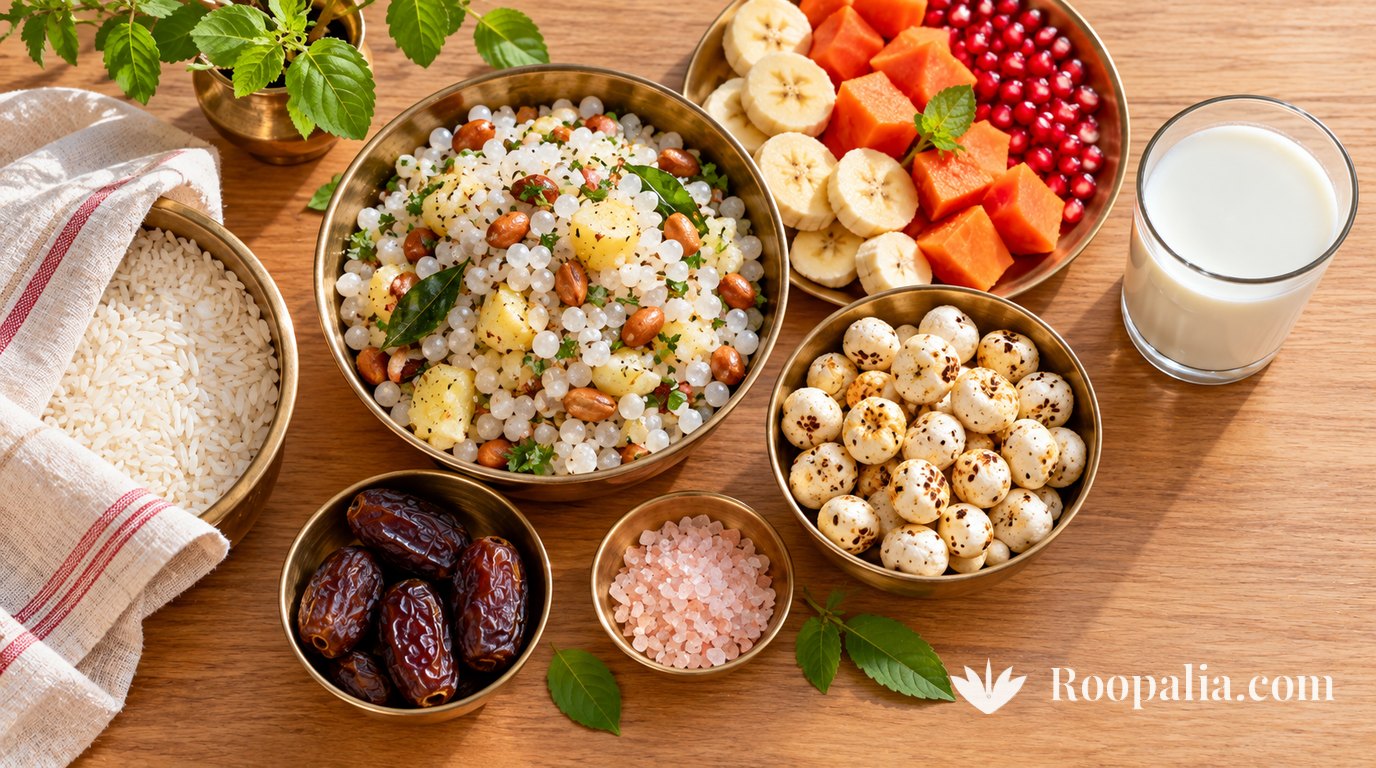
Twice a month, on the eleventh day of the lunar fortnight, millions of Hindu kitchens quietly set the rice aside. If you grew up seeing this, you probably also grew up hearing a different reason every time: "sin hides in the rice that day", "a sage became rice", "the moon pulls on the water in your body". And if you are new to the fast, the questions come quickly: Why rice? What if I eat it by mistake? When exactly do I break the fast?
Most of the answers you see at the top of a search are taken from videos and social media posts. So I went to the source chapters themselves. The short version: the texts never single out rice.
Why don’t Hindus eat rice on Ekadashi?
Because the Ekadashi fast forbids eating any grain on that day, and rice is simply the grain most people eat every day. In the two chapters I consulted in translation — Agni Purana chapter 187 and Padma Purana, Uttara Khanda chapter 51 — the prohibition is on food (anna), not on rice by name. Wheat, lentils and every other grain are equally off the plate.
“He who eats food on the Ekādasī day eats sin.”
— Padma Purana, Uttara Khanda 51.42–52, tr. N. A. Deshpande (courtesy: wisdomlib.org)That single line is the root of the popular belief that on Ekadashi, sin takes shelter in grain. Vaishnava teachers tell it as the story of Papa-purusha, the personified sin who hides in food grains on this day. The pages I came across attribute that story to the Padma Purana, but I could not open the exact chapter and verse myself, so I am not quoting it as scripture here.
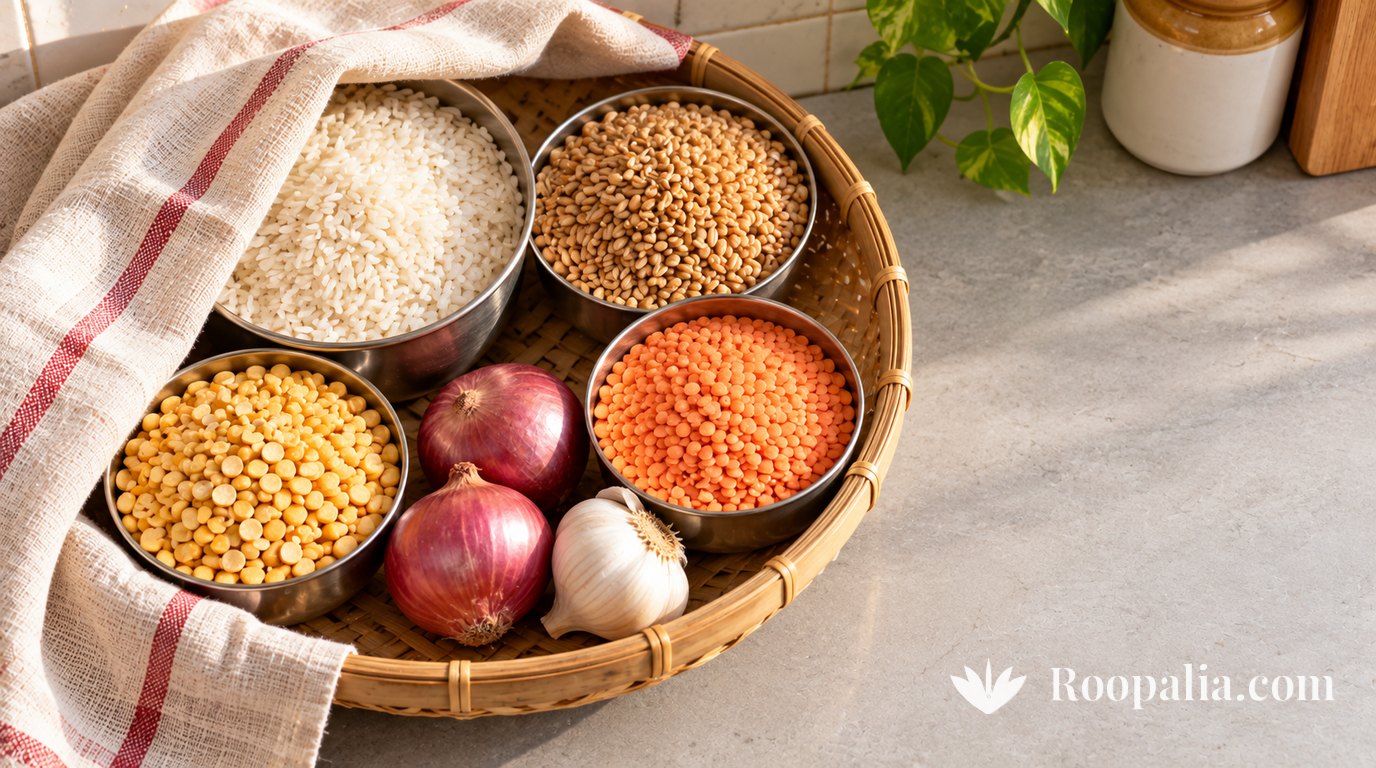
Two popular explanations I could not find in any text
- The Sage Medha story. The tale that a sage left his body to escape the Goddess’s anger, and that his body became rice and barley, appears in Google’s AI Overview and many videos. I did not find it in any Purana chapter.
- The "scientific reason". The claim that rice holds a lot of water and the moon’s pull on Ekadashi makes the mind restless has no study behind it that I could find. The reason for avoiding rice is religious, and it does not need a scientific costume.
"Not found" means not found in this search, not proof that it does not exist anywhere. The Puranic literature is vast.
What if I accidentally eat rice on Ekadashi?
Don’t panic. The chapters I read give no special penance for eating something by mistake. What families usually advise is simple: ask Vishnu’s forgiveness in your heart, carry on with the fast for the rest of the day, chant his name, and keep the next Ekadashi with care. Some families give a small donation the next day. Warnings like "you will be reborn as a worm" did not appear in any text I consulted. A fast is kept out of devotion, not fear.
Ekadashi fasting for beginners: a three-day timeline
Ekadashi is really a three-day observance. The core rule comes straight from the Agni Purana:
“He should not take food on the eleventh day in both the lunar fortnights.” … “One should fast on the eleventh day and take food the next day.”
— Agni Purana 187.1–9, tr. N. Gangadharan (courtesy: wisdomlib.org)Two Ekadashis a month, or one? The Agni and Padma Puranas speak of both fortnights. The Devala Smriti (verse 863) draws a line: fasting on both is for forest-dwellers and renunciants, while a householder keeps only the bright-fortnight (Shukla) Ekadashi (Devala Smriti on fasts and vows, courtesy: wisdomlib.org). Many Vaishnava families keep both; many householders keep one. Both have textual support, so follow your family’s custom.
Day 1 — Dashami (the day before)
Eat one simple, light meal and finish it before sunset. No meat, alcohol, onion or garlic. The same Agni Purana chapter asks for “restricted food” and warns, “One should never eat at the junction of tenth and eleventh (lunar) days” — that is, not at the moment Dashami turns into Ekadashi. That is why many homes eat early on Dashami.
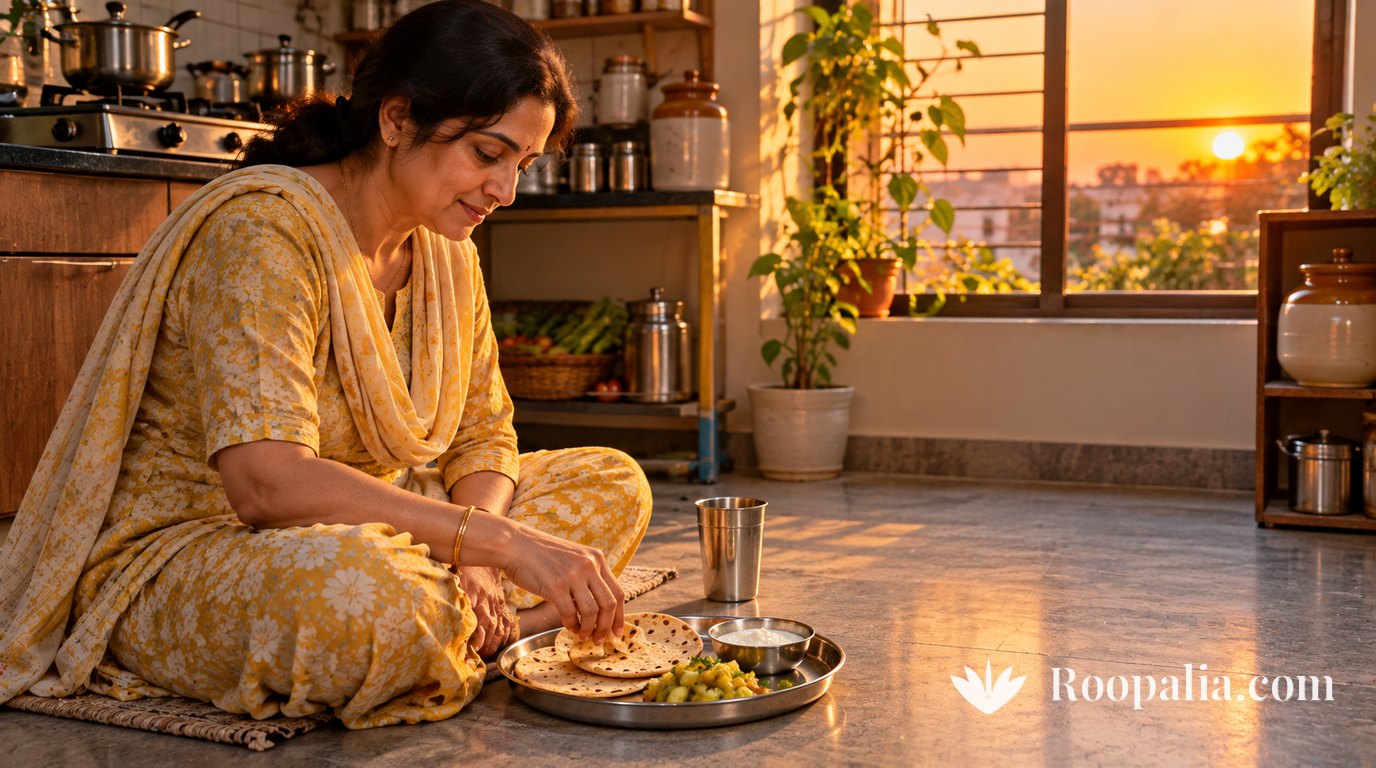
Day 2 — Ekadashi (the fast)
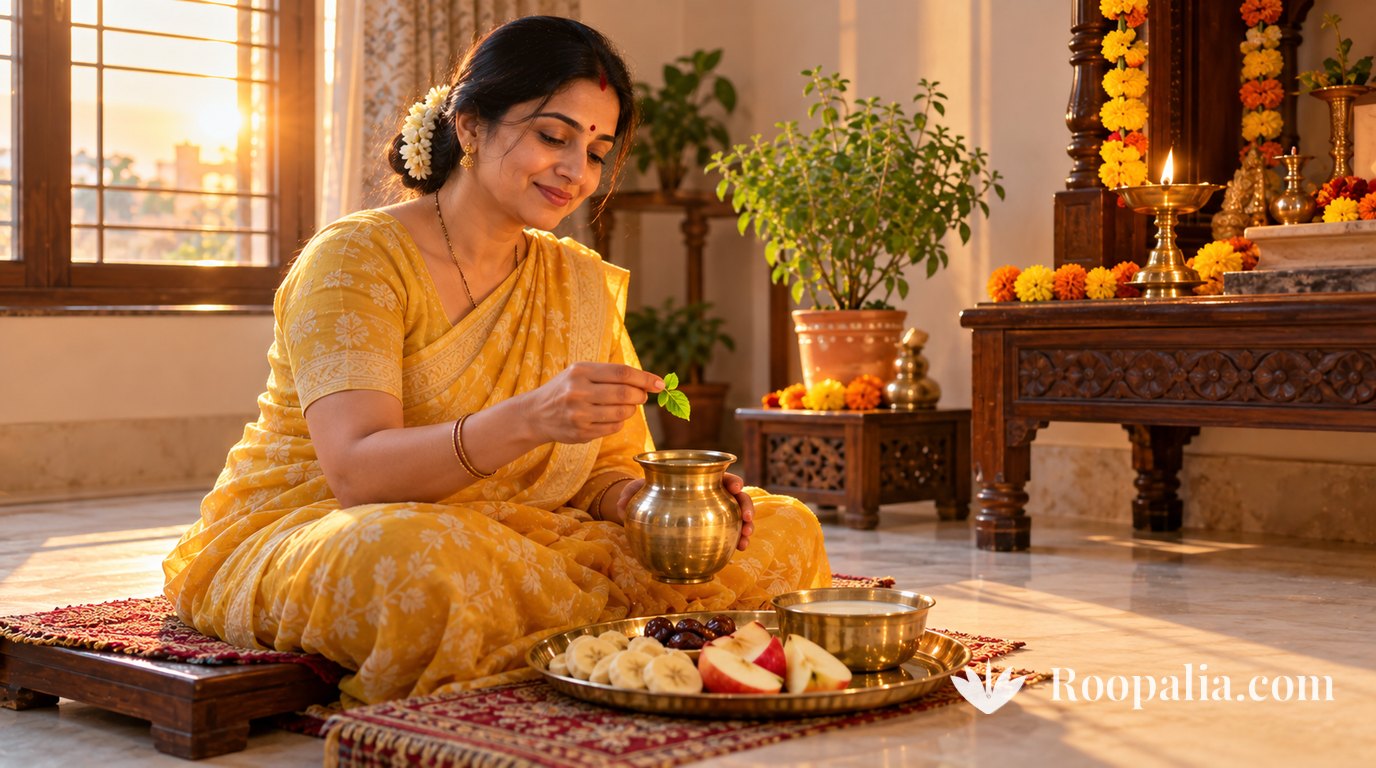
- Bathe early, wear something clean (yellow is traditional for Vishnu), light a lamp and offer tulsi leaves picked the day before.
- Make a simple resolution (sankalpa) for the fast.
- Choose the level you can manage: nirjala (no food or water), water only, milk only, fruit and fasting foods, or a single grain-free meal. Wikipedia’s Ekadashi article lists the same range (courtesy: Wikipedia).
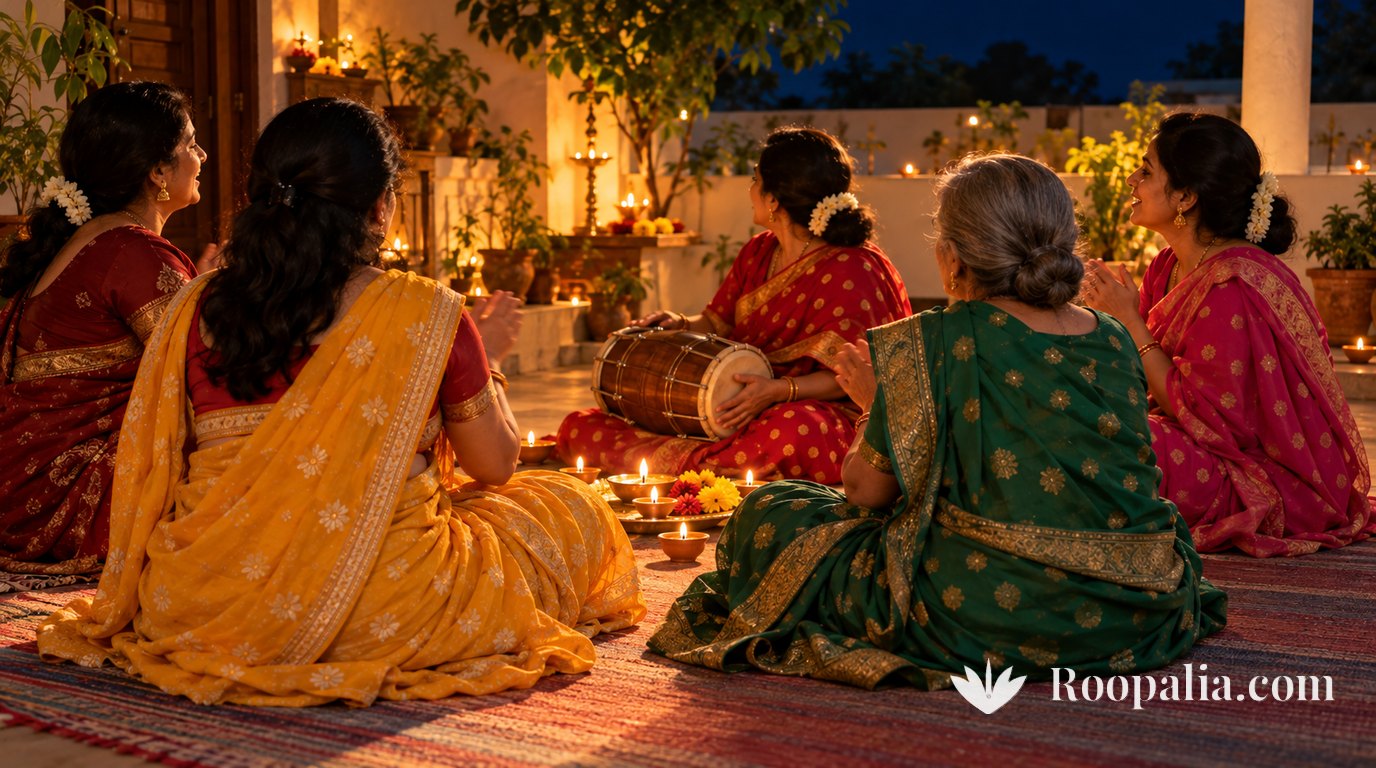
- Spend the evening in bhajan, kirtan or reading. The Padma Purana’s chapter on Aja Ekadashi says, “Engaging yourself in a fast; keep awake at night” (Uttara Khanda 56, tr. N. A. Deshpande, courtesy: wisdomlib.org).
Can you sleep on Ekadashi? The Devala Smriti (verse 848) lists what to avoid on a fast day: “He should avoid drinking water repeatedly, eating the tambula, sleep during day time and cohabitation.” So daytime naps are traditionally out. (Drinking the water your body needs is never the issue; the point is not to keep snacking.) The night vigil (jagaran) is the ideal, but few people manage a full night today. Many sing for the first part of the night and then sleep. If you have to work or drive the next morning, getting rest is the sensible choice.
Day 3 — Dwadashi (breaking the fast)
This is where most people slip. Three rules for breaking the fast (parana):
- After sunrise on Dwadashi, never at midnight. In the Hindu calendar the day changes at sunrise, so you cannot break the fast at 12 a.m.
- After Hari Vasara. The first quarter of the Dwadashi tithi is called Hari Vasara, and the fast is not broken during it. Early morning after that is considered best.
- Before Dwadashi ends. Break the fast while Dwadashi is still running, unless it has already ended before sunrise.
These parana rules are taken from drikpanchang.com’s Ekadashi parana notes. The exact time changes every month and in every city, so check a panchang set to your own location.
Bathe, worship Vishnu, sip a little water with a tulsi leaf, then eat something light. The Agni Purana gives a line to say before the first mouthful: “O lotus-eyed! I am eating. O The unchanging one! (You) become my refuge.” Many families break the fast with rice or a simple khichdi, since the restriction ends with Ekadashi.
What can you eat on Ekadashi?
| Usually eaten | Usually avoided |
|---|---|
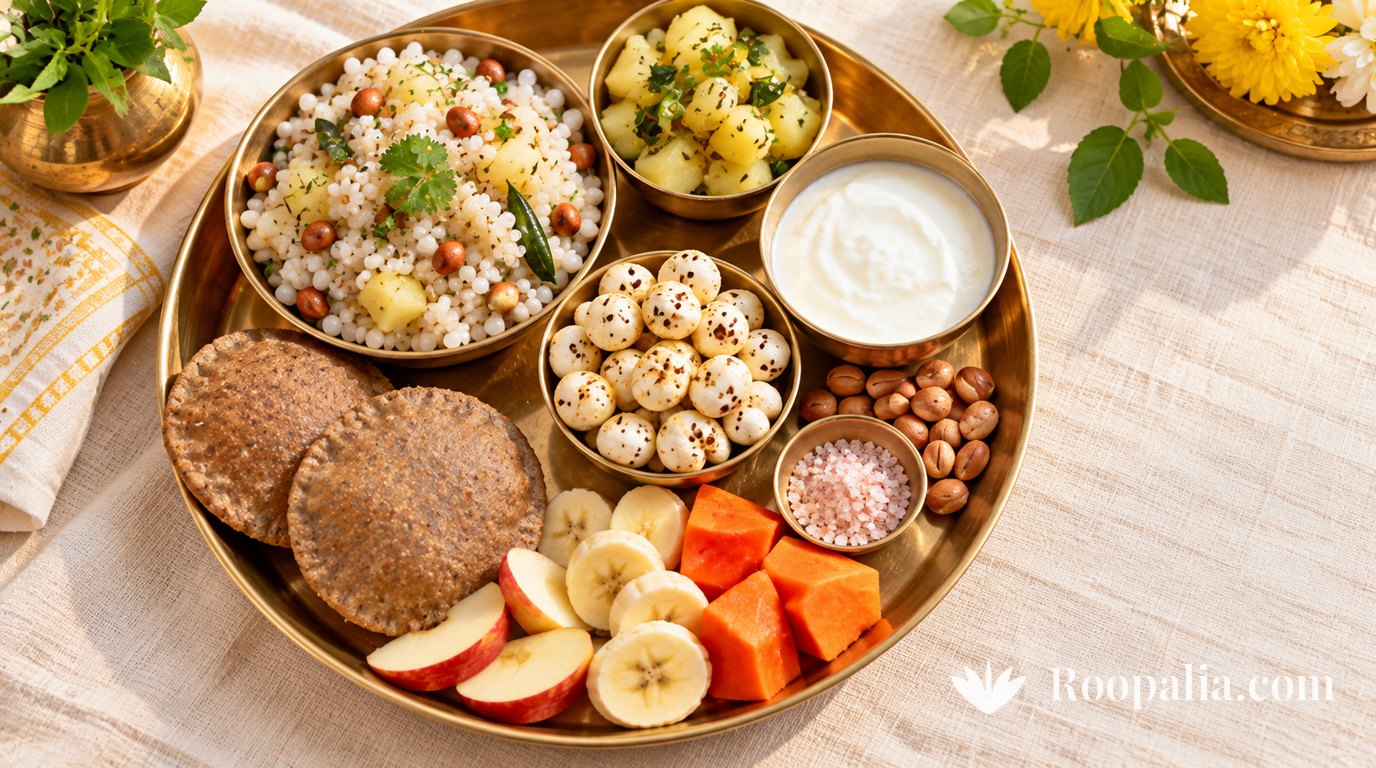
| All fruits; dates, nuts, roasted makhana (fox nuts), peanuts | Rice and anything made from it (poha, puffed rice, rice flour) |
| Milk, curd, buttermilk, paneer | Wheat, semolina, refined flour, gram flour |
| Sabudana (sago), kuttu (buckwheat), singhara (water chestnut) and rajgira (amaranth) flours | All lentils and beans |
| Potato, sweet potato, taro, pumpkin, bottle gourd | Onion and garlic |
| Rock salt, black pepper, cumin, green chilli | Regular table salt; meat, fish, eggs, alcohol |
Can I eat upma? Not if it is made with semolina, which is wheat. Dates (khajur)? Yes, they are fruit. Tea? Families differ: many allow milky tea on a fruit fast, none on a nirjala fast. For a full list of fasting staples, see our guide on what to eat during a Hindu fast.
What if you are not fasting? Many households still keep the kitchen grain-free that day, or at least skip rice, as a mark of respect, even when only one person is fasting.
Who should not fast, or should fast lightly
This article does not ask anyone to fast. People with diabetes, pregnant or breastfeeding women, people with kidney or heart conditions, the very elderly, children, and anyone on regular medication should not keep a nirjala or long fast, and should speak to their doctor before any fast. Tradition itself says to fast "according to your capacity": a single grain-free meal, a fruit fast, or simply chanting Vishnu’s name all count. If you feel dizzy or weak, drink water and eat fruit. Women who get their period during a fast often ask what the texts say; we looked at that in Can Hindu women pray during periods?
Keeping Ekadashi outside India
The most common mix-up abroad is the date. Ekadashi in your city may fall a day earlier or later than in India, because the lunar day is counted from local sunrise. Following an Indian calendar in London or Toronto can land you on exactly the overlap with Dashami that the Agni Purana warns against. We explain why in why your festival date differs from India.
- Use a panchang set to your city for both the fasting day and the parana time.
- Stock up on sabudana, buckwheat and water-chestnut flour, makhana and rock salt at an Indian grocery on a day off.
- On a work day, keep a fruit fast rather than nirjala, and carry fruit, nuts and curd.
- In cold winters, keep taking warm water, milk and nuts.
- Involve the children through the evening aarti and songs, not the fast itself.

Devuthani Ekadashi: the big one this season
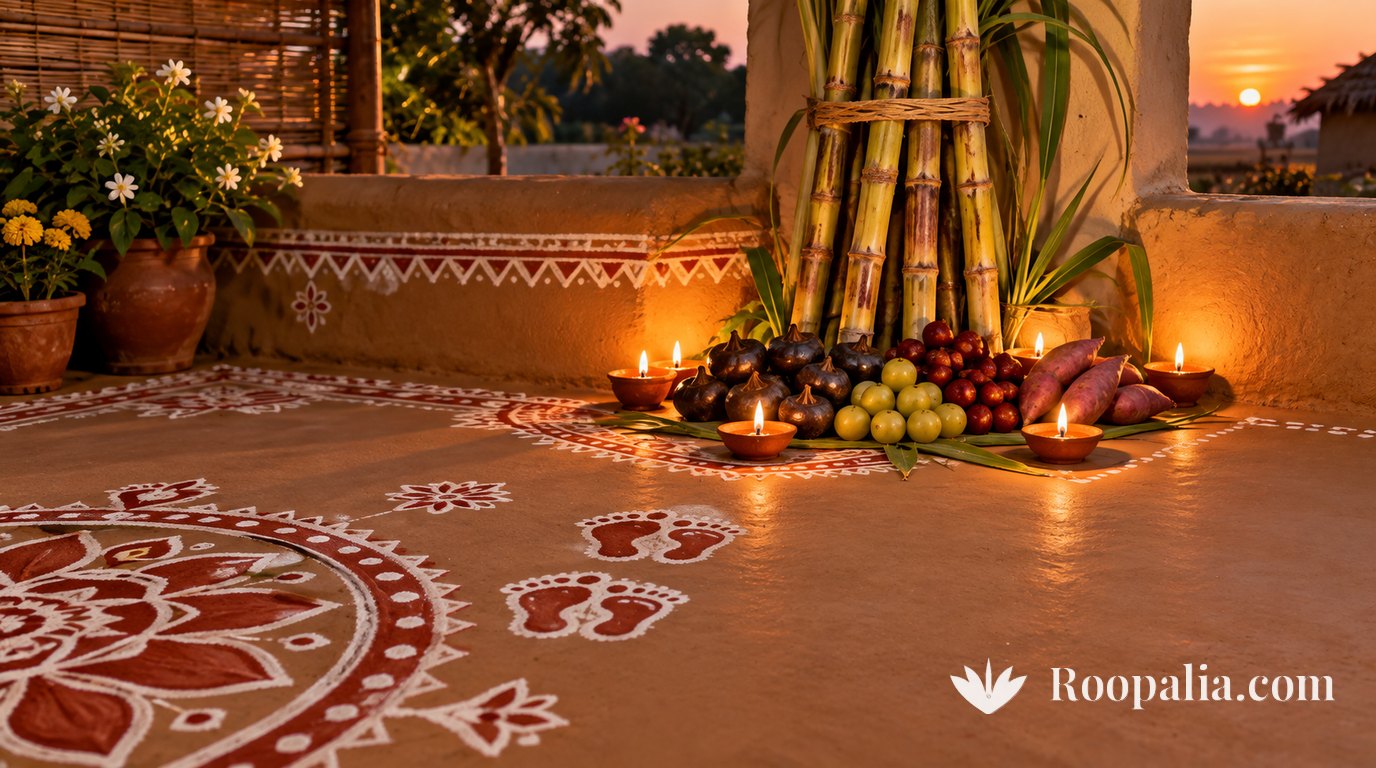
Devuthani (Prabodhini) Ekadashi falls in the bright half of Kartik. It is believed to be the day Vishnu wakes from his four-month sleep, which reopens the season for weddings. The fasting rules are the same; the worship is different. Courtyards are decorated with red-ochre and white-chalk mandana drawings and Vishnu’s footprints, sugarcane stalks are stood upright, and seasonal water chestnuts, jujube, amla and sweet potatoes are offered. Many families hold the Tulsi Vivah the same day or the next.
What the texts say, and what they don’t
| Claim | What I found |
|---|---|
| No food on the Ekadashi of both fortnights | Found: Agni Purana 187; Padma Purana UK 51. |
| Eat on the next day | Found: Agni Purana 187. |
| Don’t eat at the Dashami–Ekadashi junction | Found: Agni Purana 187. |
| "Eating food on Ekadashi is eating sin" | Found: Padma Purana UK 51.42–52. |
| Householders keep only the Shukla Ekadashi | Found: Devala Smriti 863. |
| No daytime sleep or repeated drinking on a fast day | Found: Devala Smriti 848. |
| Night vigil | Found: Padma Purana UK 56 (Aja Ekadashi). |
| A ban on rice by name | Not found in these chapters; the ban covers all grain. |
| Papa-purusha chapter and verse | Could not open to verify. |
| The Sage Medha story | Not found in any Purana page. |
| Rice, water and the moon "science" | No study found. |
The bottom line. The Ekadashi rule in the texts is short and clear: no grain on the eleventh day, worship and eat on the twelfth. Rice is avoided because all grain is avoided. The stories about Sage Medha and "moon science" are not in any chapter or study I checked.
Everything else, including how strict the fast is, what you eat and how long you stay awake, depends on your health and your family’s custom. Keep it out of devotion, not fear.
Frequently asked questions
Why is rice not eaten on Ekadashi?
What happens if I accidentally eat rice on Ekadashi?
What can you eat during an Ekadashi fast?
How do you break an Ekadashi fast?
Can I break my Ekadashi fast after 12 am?
Which Ekadashi is best to start fasting?
How long is the Ekadashi fast?
Can we sleep on Ekadashi?
Sources and cautions: sources consulted — Agni Purana chapter 187 (tr. N. Gangadharan) and Padma Purana, Uttara Khanda 51 and 56 (tr. N. A. Deshpande), and Devala Smriti verses 848 and 863, all courtesy: wisdomlib.org; types of fast and number of Ekadashis: Wikipedia (Ekadashi); Hari Vasara and parana rules: drikpanchang.com’s Ekadashi parana notes (cited in words). Three things should be said plainly. First, a ban on rice by name, the chapter and verse of the Papa-purusha story, the Sage Medha story and the rice-and-moon "science" were not found in this search; that is the result of a search, not a final verdict. Second, every tradition and family has its own custom; follow your elders and your local panchang. Third, this article does not encourage anyone to fast and is not medical advice; with diabetes, pregnancy, any illness or regular medication, consult a doctor first. No brand or shop is recommended.